
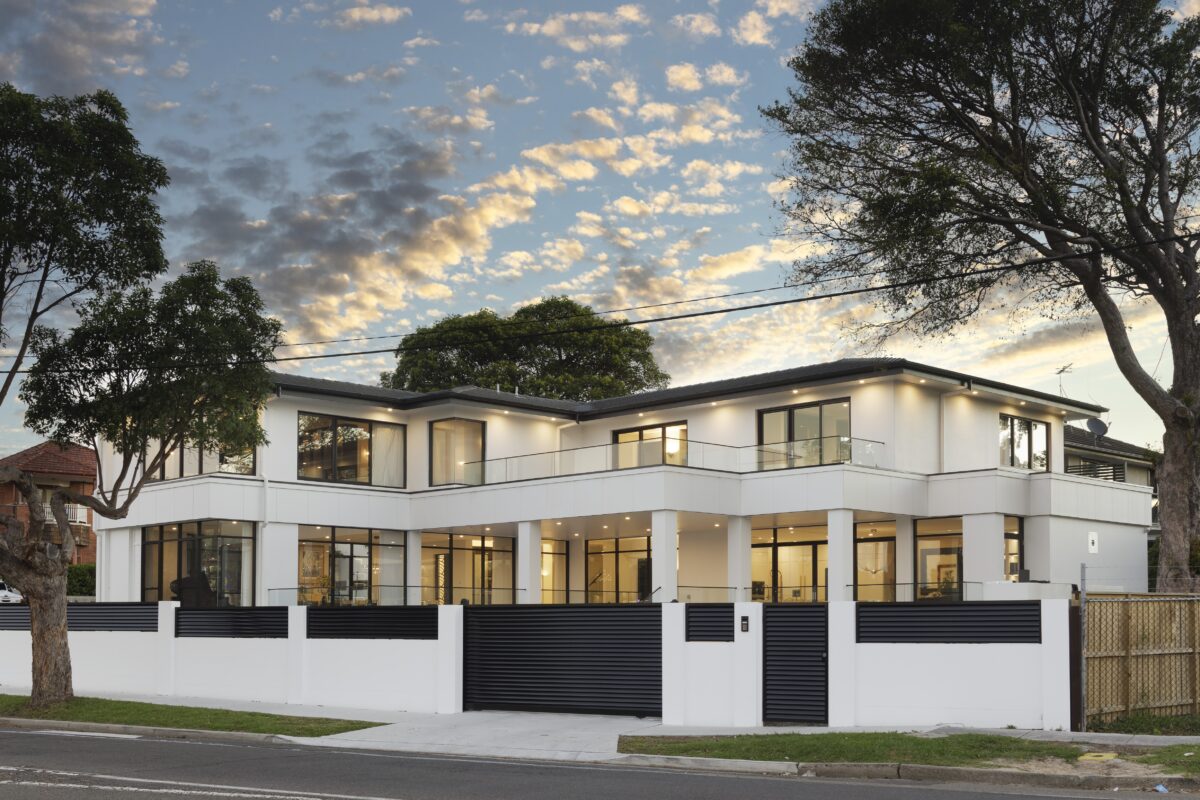
The most important decisions in a custom home are often made before the first line is drawn.
It is easy to begin with images of kitchens, facades and living spaces. But before choosing an architectural style or deciding how many rooms a home should have, there is a more useful question to answer: what does the home actually need to do for the people who live in it?
The answer becomes the foundation for the design brief.
Start With What You Want to Change
A new home should solve something.
For some homeowners, the existing house no longer suits the way the family lives. Perhaps the kitchen feels disconnected from the rest of the home. There is never enough storage. Guests have nowhere comfortable to stay. Working from home has become difficult. Or spaces that once made sense simply no longer reflect everyday life.
Before considering what you want to add, consider what you want to leave behind.
Walk through your current home and notice where things feel inconvenient. Which rooms are always busy? Which ones are rarely used? Where does everyone naturally gather? Which spaces consistently feel too small?
These observations are often more useful than a collection of inspiration images because they identify the problems the new home needs to solve.
Design Around Your Life, Not a Floor Plan
A floor plan should eventually reflect the way you live, rather than dictating it.
Think about an ordinary week rather than an idealised version of life. How do you spend your weekends at home? How often do you entertain? Do children or grandchildren stay regularly? Do you work from home? Do you need quiet areas for reading or working? How much storage is genuinely required?
Even small details can influence the arrangement of a home.
A family that entertains frequently may value a strong connection between the kitchen, dining and outdoor areas. Someone who works from home may need separation from the main living spaces rather than simply a desk in an unused corner. A household that values privacy may benefit from greater distinction between communal and quieter parts of the home.
These decisions are much easier to make before the floor plan takes shape.
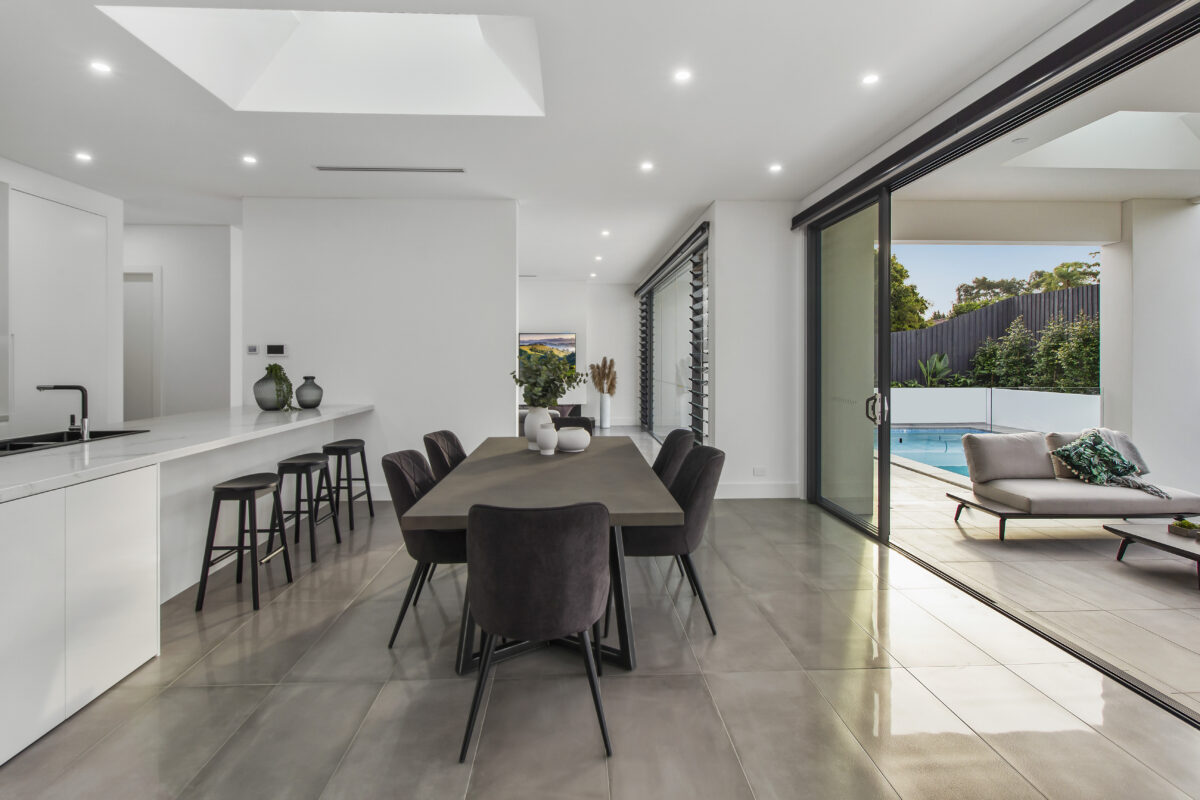
Decide What Matters Most
A custom home gives you more opportunities, but that does not mean every possibility needs to be included.
Early in the process, it is worth identifying the things you would be unwilling to compromise on.
It might be a generous kitchen, a private study, a strong connection to the garden, accommodation for family, additional storage or a particular relationship between the living spaces.
There may also be things that are desirable but less important.
Making this distinction early helps create a more focused brief. It means that when compromises eventually arise, decisions can be made according to what matters most rather than simply what is easiest to remove.
This becomes particularly important with luxury home designs, where the scale of the project can create many competing possibilities.
The goal is not to fit everything in. It is to give the spaces that matter most enough thought and attention.
Consider How Your Home Might Change
A custom home is often intended to last for decades, so the brief should look beyond the household as it exists today.
That does not mean trying to predict exactly what life will look like in 15 years. It means recognising the changes that are reasonably foreseeable.
Children may leave home. Grandchildren may become regular visitors. Working arrangements may change. You may entertain differently. Spaces that are important now may become less relevant, while others become more valuable.
The right questions are often simple:
How long do you expect to live here?
Who is likely to use the home in the future?
Which spaces need to be flexible?
What would you regret not including?
Thinking through these questions early can prevent the design from being overly tied to one particular stage of life.
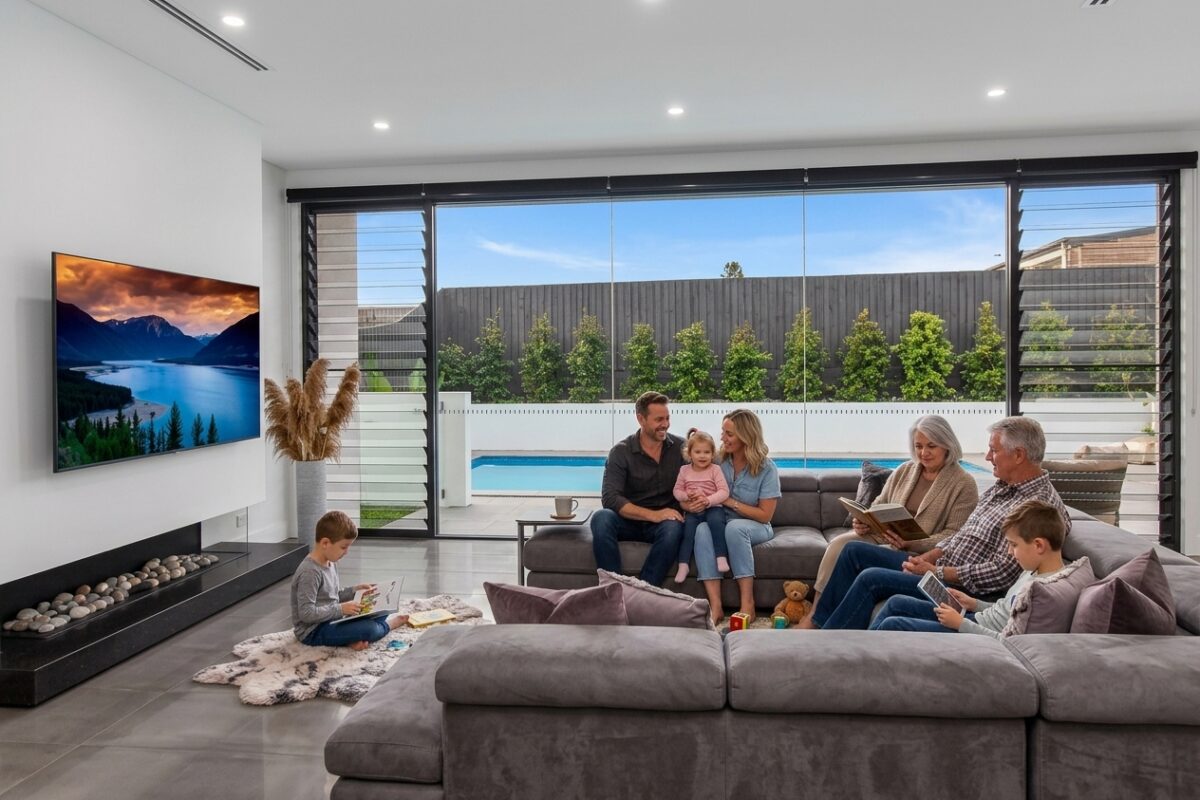
Give the Brief Time to Develop
There is no advantage in drawing a floor plan before the brief is understood.
The early stage of a custom home project should give homeowners time to work out what they genuinely need, what they value and what they want the finished home to feel like in everyday use.
Once those priorities are clear, the design has something meaningful to respond to.
At Chateau, this understanding forms an important part of the work that happens before a home takes shape on paper. As both architects and builders, we consider the brief alongside the practical realities of design and construction from the beginning.
For homeowners considering custom home builders in Sydney, the most useful first step may not be choosing a facade, selecting finishes or deciding how many bedrooms to include.
It may simply be taking the time to understand how you want to live.